The Interplay of Reward Distribution Systems and Their Role in Sustaining Interest Within Portable Live-Action Simulations
Hugo Sullivan · Nov 24, 2026
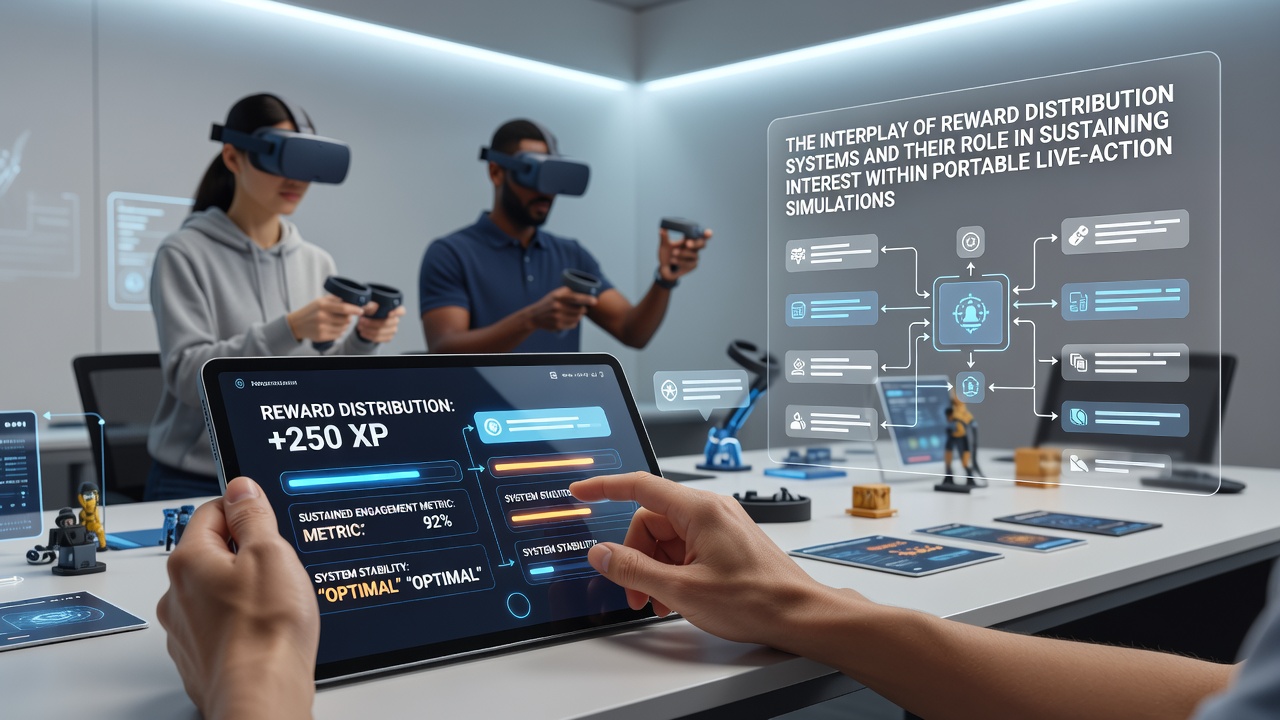
The Interplay of Reward Distribution Systems and Their Role in Sustaining Interest Within Portable Live-Action Simulations
Portable live-action simulations combine real-time dealer interactions with mobile accessibility, and reward distribution systems sit at the core of how these platforms maintain user engagement over extended periods. Data from industry reports indicate that structured reward mechanisms, ranging from tiered loyalty points to randomized bonus triggers, directly correlate with session duration and repeat participation rates. Observers note that when rewards align with player activity patterns, retention metrics improve across handheld formats where live dealer elements compete with automated reel experiences.
Core Components of Reward Distribution in Mobile Environments
Reward systems in these simulations typically operate through fixed schedules, variable ratios, and progressive accumulation models, each calibrated to different phases of user interaction. Fixed rewards deliver predictable returns after set intervals, while variable systems introduce uncertainty that mirrors the probabilistic nature of live table outcomes. Research from academic sources shows variable ratio schedules often produce higher engagement levels because participants continue sessions longer in anticipation of the next payout event. Those who study behavioral patterns in digital gaming environments find that progressive systems, which escalate rewards based on cumulative play, encourage longer-term commitment rather than one-off visits.
Live dealer formats add an additional layer since real-time interactions with dealers and other participants create social feedback loops that amplify the perceived value of distributed rewards. A player completing a sequence of hands in a mobile blackjack simulation, for instance, might receive instant credits that unlock visual or auditory confirmations, reinforcing continued participation. Figures from regulatory filings in multiple jurisdictions reveal that platforms incorporating both immediate and delayed reward elements report steadier retention curves compared with those relying solely on one approach.
Impact on Sustained Interest Across Handheld Platforms
Interest sustainability depends on how reward timing intersects with the constraints of portable devices, including battery life, screen size, and network variability. Systems that deliver micro-rewards during brief sessions help maintain momentum when users switch between applications or experience connectivity shifts. Studies tracking engagement cycles demonstrate that users who receive rewards within the first five minutes of a session exhibit higher probabilities of extending play beyond the initial ten minutes. This pattern holds across live dealer formats where the simulation must compete with other mobile activities for attention.

November 2026 projections from several market analyses suggest continued growth in portable live-action simulation usage, driven partly by refinements in reward algorithms that adapt to individual play histories. Platforms adjusting reward density based on time-of-day usage data or device type show measurable differences in average session length. Experts tracking these developments point to integration with biometric verification trends as another factor shaping how rewards are allocated, since verified accounts often receive access to higher-value distribution tiers.
Comparative Analysis of Reward Models
Fixed interval systems provide steady reinforcement yet risk habituation when users predict exact reward moments, whereas variable systems sustain uncertainty that aligns more closely with live simulation outcomes. Hybrid models combining both approaches appear in several documented case studies where operators tested retention across regional markets. One documented implementation in North American platforms linked progressive reward ladders to live dealer table participation, resulting in documented increases in weekly active users according to aggregated industry data. Australian regulatory summaries similarly highlight that transparent reward structures correlate with lower complaint volumes regarding payout expectations.
Those examining selection patterns across reel and card formats observe that reward visibility influences initial choice, while reward consistency affects long-term retention. Live-action elements intensify this dynamic because participants witness dealer actions and peer reactions in real time, making the reward delivery moment more salient. Data indicates platforms that synchronize reward announcements with dealer interactions maintain higher engagement metrics than those separating the two functions.
Regulatory and Technical Considerations
Regulatory frameworks in various regions require clear disclosure of reward probabilities and distribution mechanics, which in turn shapes how operators design systems for portable environments. The Nevada Gaming Control Board maintains standards that influence mobile simulation reward transparency, while Canadian provincial regulators emphasize consumer protection through verified payout reporting. These requirements encourage operators to balance reward frequency against sustainability, ensuring systems do not encourage excessive play while still supporting interest. Technical implementations increasingly rely on server-side randomization to maintain fairness across devices, reducing opportunities for manipulation that could undermine trust in reward outcomes.
Conclusion
Reward distribution systems function as structural elements that determine how long users remain engaged with portable live-action simulations. The interplay between fixed, variable, and progressive models creates different retention profiles depending on session length, device constraints, and live interaction features. Available data from regulatory and academic sources demonstrate measurable connections between reward design choices and sustained participation metrics. As platforms continue evolving through 2026, alignment between reward timing and live simulation dynamics remains a central factor in maintaining user interest across handheld formats.